Why women are an undertapped market for cask
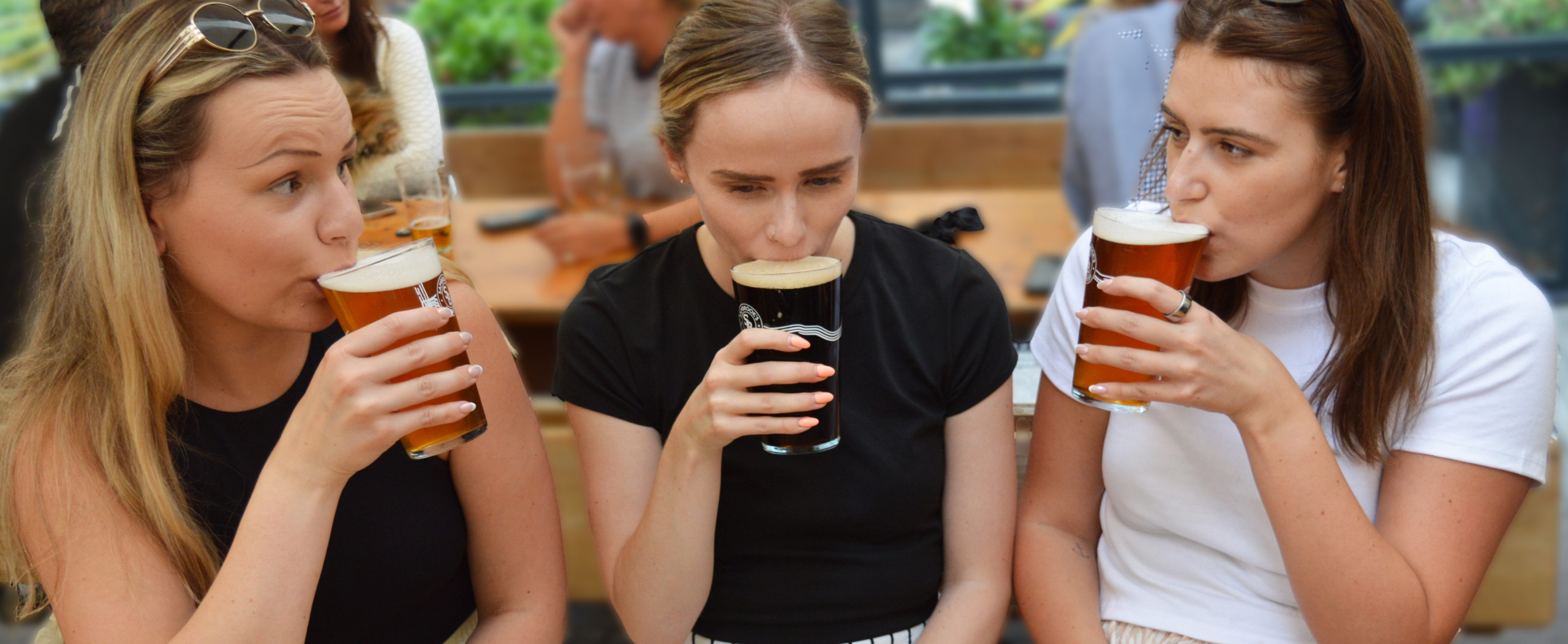
Writer & beer sommelier Sophie Atherton considers what puts women off cask ale
During this year’s Cask Ale Week we learned that Gen Z and younger millennials (broadly those aged 18 – 35) are as likely to enjoy a pint of a dark, fruity ale as they are a trendy craft beer.
This was revealed via research for Bass, currently owned by Budweiser Brewing Group. It found that since 2024/25 the age mix in pubs serving Bass has changed, with more under‑ 35s drinking in those pubs.
Wiltshire-based brewer Wadworth reported similarly. It connects strong growth of its flagship 6X beer with a trend for younger drinkers looking for cask ales with provenance and heritage. When they find their dads, or maybe even their grandads, drank Wadworth’s it becomes their cask ale of choice.
The long desired recruitment of the next generation of cask drinkers would appear to be underway, but did you spot who some of those younger drinkers are influenced by? Dad and granddad. Not mum. Women are more than 50% of the population but remain an undertapped market for cask ale.
As a woman who’s enjoyed cask ale since first going to the pub in my teens, I’ve always been interested in why more women don’t drink it. Back then, with few exceptions, most of my female friends preferred lager or Guinness. If they drank beer at all.
Now, well over thirty years on from that teenage pub-going, I know more female beer drinkers through my work. Yet in the wider world cask still doesn’t appeal to most women. If they aren’t even trying it the first place, it doesn’t seem to be a quality issue, so it must be an image problem.
What’s to blame for the cask ale image problem
I was ready to hang this on TV adverts for beer, but on reviewing some late 20th Century examples, a rare one featuring a woman drinker in the shape of Melanie Sykes as Gladys Althorp in the Boddingtons Cream of Manchester ads and the Arkwright John Smiths campaign, something dawned on me. Except for a few seconds or two in the Boddingtons ones, these are not adverts for cask ale – but for keg beer or cans.
I looked for ads specifically for cask brands and found only one or two. Not only did they exclusively feature male drinkers, they barely showed cask ale being served or consumed.
So you had a double-whammy of virtually no depictions of women drinking beer and no imagery of cask ale either. Then came the comedy ads, but they were also male-dominated and traded on humour not positive portrayal of the beer.
The image problem then is not so much beer bellies and socks with sandals but the old chestnut of beer being for men, along with a lack of images of the beer itself.
if you want proof of the ‘for men’ part, a relatively recent (2024) report by women and beer group Dea Latis found only 14% of women drink beer at least once a week, compared to 50% of men. But what is putting them off? I decided to ask a couple of beer industry women, clearly beer lovers themselves, about whether there is still a barrier between women drinkers and cask ale – and why.
“…A double-whammy of virtually no depictions of women drinking beer and no imagery of cask ale.”
Beer industry women share their views
Sara Barton, founder and director of Brewster’s Brewery in Grantham – which is named after the term for female brewers – is well placed to comment.
“A visit to Nottingham CAMRA Beer Festival seemed to show women out in force and all ages too, so I think there are plenty of women drinking cask beer,” she says.
“Perhaps the situation is still different in pubs. We mostly find in our pub (The Marquis of Granby in Nottinghamshire) men drinking cask beer and women drinking lager, wine or spirits. So perhaps within CAMRA there is acceptance but in the general public there still is a perception of real ale being a man’s drink.
“I think that engaged bar staff offering tasting samples and being knowledgeable about the beer, rather than being disconnected, will help.”
Karen Goody, brewer at Goody Ales thinks glassware has a role to play and that attitudes to stereotypes are weakening but still exist.
“We find there are more women drinking beer on a smallish scale. Offering cask in a chalice glass helps sometimes, although with fewer hang ups around gender stereotypes there is less of a stigma to holding a pint of beer,” she says.
However, she thinks there is work still to be done: “Cask still has stereotypically male connotations and a blokeyness about it and there are still a large proportion of females who are trapped in the need to look feminine. They don’t want to put on weight and see cask ale as highly calorific, so it is a difficult balancing act to appeal to women.”
Tackling cask’s image problem
Which brings us back to the image problem. I’m aware there have been marketing campaigns for cask before, including a recent TV advert by CAMRA, but I think we need a new one and part of it would be specifically aimed at women.
If I was putting it together I would ask someone like Cath Kidston to design glassware, which pubs could also sell to avoid it being nicked!
I’d then film a series of adverts set in a variety of beautiful pubs – in towns, cities and the countryside. I’d cast the likes of Lesley Manville, Tamsin Grieg, Florence Pugh and Aimee Lou Wood, perhaps as a group inter-generational woman friends, but possibly mothers and daughters.
It would need to be watched and talked about like the Gold Blend couple in the 1990s or the Kris Marshall BT adverts in the noughties. The trouble is the latter had an £11 million budget. Of course the modern way is to make a video that goes viral on social media, but to produce something that looks good, catches women’s attention AND makes cask appealing will still require a considerable amount of money.
Perhaps one day someone will decide to invest in such a campaign (crowdfunder anyone?). Until then bar staff knowledge of cask needs to be maintained and encouraged, along with proactively offering women drinkers opportunities to sample it. With beer consistently in perfect condition and clean, attractive glassware to serve it in, perhaps more women will begin to say yes to cask ale.
More Articles
All Articles